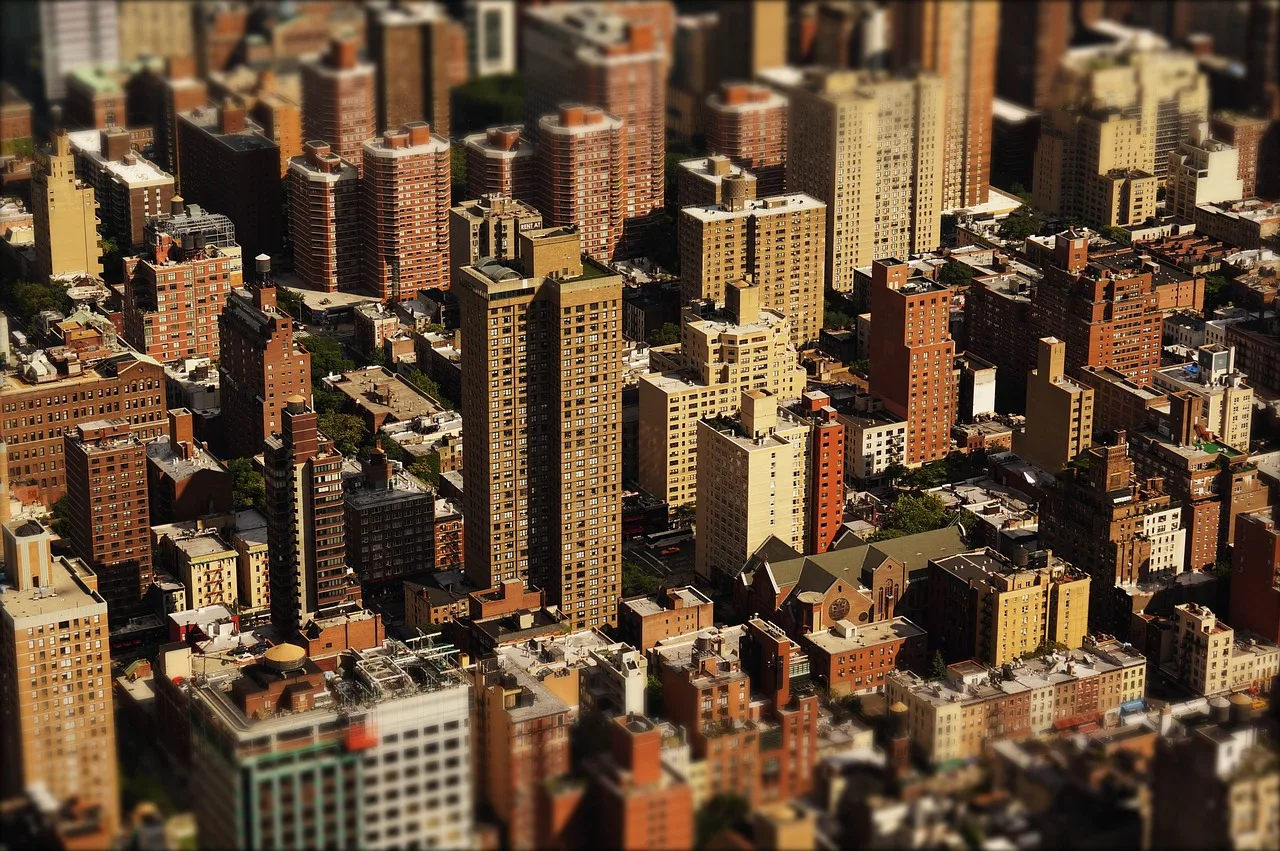
Real Estate in Novosibirsk: Market Overview, Neighborhood Guide, and Practical Advice
Novosibirsk—Siberia’s largest city and a major scientific, industrial and cultural hub—offers a diverse real estate market. From the research campus of Akademgorodok to the bustling central streets and sprawling residential microdistricts, buyers, sellers and investors will find opportunities and specific local considerations.
Market overview
— Diverse supply: a mix of Soviet-era panel and brick apartments, widespread five-story buildings («khrushchyovkas»), modern high-rise developments and suburban houses.
— Demand drivers: universities and research institutes (Novosibirsk State University, Akademgorodok), industrial and IT employers, students, and internal migration from smaller Siberian towns.
— Price factors: proximity to metro and rail hubs, condition and floor of the apartment, year of construction, access to green spaces (e.g., near the Ob River and Zayeltsovsky Park), and quality of local infrastructure.
— Trend note: markets fluctuate with macroeconomic conditions and mortgage rates—always check current figures before making decisions.
Key neighborhoods and what they offer
— Central district (Tsentralny): best for access to business, culture and transport. Higher prices, older elegant buildings and new developments.
— Akademgorodok: scientific and educational center with green surroundings; popular with researchers, academics and families seeking quieter, high-quality residential areas.
— Zayeltsovsky area: lots of parks, good for families and those valuing green space.
— Residential microdistricts (Leninsky, Kirovsky, Oktyabrsky, Pervomaysky and others): more affordable options, varied housing stock and established infrastructure.
— Emerging suburbs and outskirts: new construction projects and low-rise housing attract buyers seeking more space and private housing options.
Buying in Novosibirsk — practical tips
— Start with a clear brief: budget, preferred districts, minimum transport and school access, and non-negotiable amenities.
— Inspect buildings in person: check heating systems, windows, plumbing, intercoms and common areas (SNiP/maintenance issues can be pronounced in older stock).
— Verify legal status: request documents proving ownership, check for encumbrances or debts, and verify cadastral records through Rosreestr.
— Use a reputable agent or lawyer: they help with document checks, negotiations and the registration process.
— Negotiate price and conditions: local sellers often set a margin for negotiation—be prepared with comparable listings.
— Consider seasonality: activity may slow in extreme winter months, affecting negotiation dynamics.
Financing and legal considerations
— Mortgages (ipoteka) are widely used; check current interest rates, loan-to-value conditions and available special programs.
— State support: investigate applicable national programs (e.g., family support subsidies) that can be used toward down payments or mortgages.
— Registration: official transfer of ownership requires registration with Rosreestr; many transactions also involve a notary.
— Taxes and fees: account for notary fees, state registration fees, broker commissions and potential capital gains rules when reselling.
— Due diligence: obtain an extract from the Unified State Register of Real Estate and confirm the seller’s identity and authority to sell.
Renting and short-term lets
— Rental demand is strong near universities, research centers and transport hubs.
— Typical tenant pool: students, young professionals and employees relocating for work.
— Landlords should draft clear rental agreements covering utilities, repairs, and deposit terms; consider using a local property manager if you’re remote.
Selling and staging tips
— Small upgrades yield returns: fresh paint, good lighting, clean floors and decluttering improve buyer perception.
— Highlight strengths: proximity to metro, schools, parks, and recent renovation or energy-efficient upgrades.
— Professional photos and concise listings: emphasize transport links and local services (shops, clinics, kindergartens).
— Timing: evaluate local market activity and consider listing when demand is higher to shorten sale time.
Investment considerations
— Long-term rental: stable yields near universities and business clusters.
— Renovation arbitrage: buying older apartments for renovation and resale can work where demand favors modern layouts.
— New-build investment: study developer reputation, delivery dates and mortgage tie-ins; pre-construction purchases carry developer and timing risk.
— Diversification: consider a mix of central apartments for premium rent and peripheral units for steady, lower-risk returns.
Local specifics worth remembering
— Climate and infrastructure: harsh winters mean heating systems, insulation and glazing quality are very important.
— Transport: Novosibirsk’s rail and metro connections increase desirability of nearby properties.
— Community factors: good schools, clinics and retail nearby strongly affect family buyers’ choices.
Quick checklist for buyers
— Verify seller’s ownership and absence of encumbrances via Rosreestr.
— Inspect utilities, roof, facade and common areas.
— Confirm cadastral value,