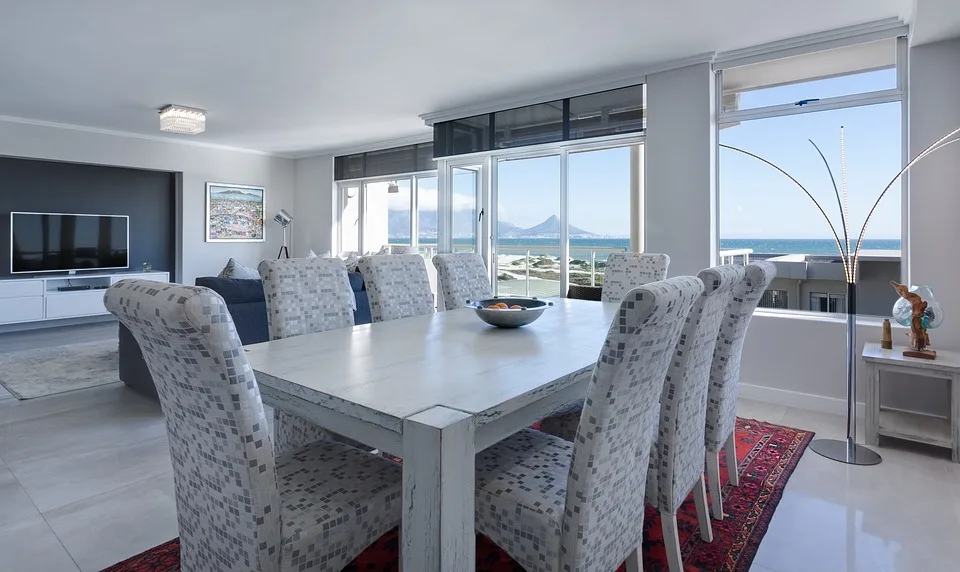
Real Estate in Novosibirsk: Market Overview, Neighborhoods, and Smart Investment Tips
Novosibirsk, Russia’s third-largest city and the main economic and cultural hub of Siberia, offers diverse real estate opportunities — from city-center apartments to homes near Akademgorodok’s research clusters. Whether you’re buying, selling, renting, or investing, understanding local dynamics will help you make confident decisions.
Market snapshot
— Novosibirsk combines steady local demand (workers, students, families) with growing interest from regional investors.
— The market is split between *new-builds* (modern amenities, warranties) and a robust *secondary market* (often better locations and prices).
— Seasonal factors and macroeconomic conditions can affect liquidity and pricing; always check up-to-date listings and local financing offers.
Key neighborhoods and who they suit
— Tsentralny (City Center): best for professionals, access to transport, shops and culture; attractive for short- and medium-term rentals.
— Akademgorodok: high demand from scientists, students and tech professionals; good for long-term tenants and stable appreciation.
— Zayeltsovsky: green areas, family-friendly; balanced buyer/renter demand.
— Leninsky / Oktyabrsky / Kirovsky districts: variety of apartments and new developments; often better value per square meter.
— Emerging suburbs: newer developments and better prices but consider commuting times and infrastructure growth.
*Tip:* proximity to metro, universities, hospitals and major employers significantly boosts rental demand and resale potential.
What to consider when buying
— Purpose: primary residence, rental income, or capital appreciation — each requires different priorities (comfort vs. yield vs. location).
— New build vs. secondary: new builds offer warranties and modern standards; used apartments may be cheaper per sq. m. but can need renovation.
— Building quality: check insulation, heating systems, elevator reliability, utility setup — Siberian winters make energy efficiency important.
— Developer reputation: verify past projects, deadlines, and customer reviews.
— Transport and infrastructure: metro access, public transport, schools and shops affect both livability and resale value.
Financing and legal essentials
— Mortgages are widely available in Russia; terms and down payment requirements vary by bank and program. Compare rates and special government-supported programs.
— Purchase formalities: sales agreement, notary involvement, and registration with the federal property registry (Rosreestr) are standard.
— Foreign buyers: generally allowed to buy apartments and many types of urban property. Restrictions apply to certain land types (e.g., agricultural land and territories near borders). Always consult a local lawyer to clarify restrictions and requirements.
— Due diligence checklist: check title, encumbrances or liens, seller identity and history, and ensure full disclosure of defects.
Renting and landlord tips
— Tenant pool: students, young professionals and families — location determines typical tenant profile.
— Short-term vs. long-term: short-term (Airbnb-type) can yield higher gross income but requires active management and faces seasonality; long-term leases offer stability.
— Lease agreements: use a clear written contract, require security deposits, and register major lease terms to reduce disputes.
— Maintenance and utilities: clarify which payments are included in rent and prepare for higher heating/utility usage in winter.
Investment considerations and returns
— Rental yield: varies by neighborhood and property type. Central and university-adjacent properties often show stronger occupancy and higher rates.
— Value drivers: infrastructure projects, new metro lines or business hubs, and upgrades to local amenities typically increase demand.
— Diversification: mix new builds and secondary market properties to balance yield and capital growth potential.
Practical checklist for buyers/investors
— Define goals: income vs. lifestyle vs. growth.
— Research neighborhoods and recent sale comps.
— Inspect property personally (or hire an inspector).
— Verify legal status and seller’s authority.
— Confirm all utilities and maintenance histories.
— Secure pre-approval for mortgage financing.
— Negotiate price and include conditions for fixes or repairs in the contract.
— Use a notary and register the deal with Rosreestr.
Short-term outlook (1–3 years)
— Expect stable demand in prime locations and pockets of opportunity in well-located secondary-market homes.
— Trend toward energy-efficient, well-insulated housing and smart-home features — these are increasingly valued by buyers and renters.
— Carefully monitor macroeconomic indicators and local infrastructure announcements, as they can quickly influence pricing and rental demand.
Final advice
Start with clear goals and neighborhood research. Use local experts (real estate agents, lawyers, inspectors) for due diligence. In Novosibirsk, location, developer reliability and energy efficiency are among the strongest predictors of a successful transaction.
If you’d like, I can:
— summarize current listings in a chosen neighborhood,
— create a tailored buyer/investor checklist,
— or draft sample negotiation phrases and contract clauses appropriate for Novosibirsk.